
The Powerful Benefits of Kelp During Menopause
Kelp supports menopause by improving thyroid function, bone health, metabolism, mood, and skin health.

Introduction
Menopause is a significant transition in a woman’s life, often accompanied by a range of physical and emotional symptoms. While this natural process can be challenging, there are ways to manage and even alleviate some of the symptoms through proper nutrition and supplementation. One such powerful supplement is kelp, a type of seaweed known for its rich nutrient profile. In this blog, we will explore the benefits of kelp during menopause, backed by credible research and clinical studies.
Understanding Menopause
Menopause typically occurs between the ages of 45 and 55, but symptoms can start earlier, during the perimenopausal phase, which can begin as early as the late 30s. Common symptoms include hot flashes, night sweats, mood swings, weight gain, and a decrease in bone density. These symptoms are primarily due to the decline in estrogen levels, which affects various bodily functions.
What is Kelp?
Kelp is a type of large, brown seaweed that grows in underwater forests in shallow oceans. It is a natural source of essential nutrients, including iodine, calcium, iron, potassium, magnesium, and vitamins A, B1, B2, C, D, and E. The rich nutrient profile of kelp makes it a potent supplement for overall health and wellness, particularly during menopause.
The Nutritional Powerhouse: Benefits of Kelp
1. Rich Source of Iodine
Iodine is crucial for thyroid health, which in turn regulates hormones. During menopause, hormonal balance is key to managing symptoms. Research has shown that adequate iodine intake can help support thyroid function, which is essential for maintaining energy levels, metabolism, and overall hormonal balance.
2. Bone Health
One of the significant concerns during menopause is the decrease in bone density, leading to osteoporosis. Kelp is rich in calcium and magnesium, both vital for bone health. Calcium is essential for maintaining strong bones, while magnesium helps in the absorption of calcium and supports muscle and nerve function.
3. Anti-Inflammatory Properties
Kelp contains fucoidan, a type of carbohydrate that has shown to have anti-inflammatory and antioxidant properties. These properties can help reduce inflammation in the body, which is beneficial in managing joint pain and stiffness often experienced during menopause.
4. Supports Metabolism
The decline in estrogen levels during menopause can lead to a slower metabolism and weight gain. The iodine in kelp supports thyroid function, which in turn can help boost metabolism. A healthy thyroid is essential for converting food into energy, thereby aiding in weight management.
5. Heart Health
Menopause increases the risk of cardiovascular diseases due to changes in lipid profiles and blood pressure. Kelp is rich in potassium, which helps regulate blood pressure and antioxidants that support heart health by reducing oxidative stress.
6. Mood Regulation
Mood swings and depression are common during menopause. Kelp contains several B vitamins, particularly B2 (riboflavin) and B9 (folate), which are known to support brain health and mood regulation. These vitamins help in the production of serotonin, a neurotransmitter that plays a crucial role in mood stability.
7. Skin Health
The decline in estrogen can also affect skin health, leading to dryness and a loss of elasticity. Kelp is rich in vitamins and minerals that support skin health, including vitamins A, C, and E. These nutrients help in collagen production and protect the skin from oxidative damage.
How to Incorporate Kelp into Your Diet
Incorporating kelp into your diet is relatively easy. It is available in various forms, including:
-
Kelp Powder: Can be added to smoothies, soups, and salads.
-
Kelp Noodles: A low-calorie alternative to pasta.
-
Kelp Supplements: Available in gummy form with Yashy for those who prefer a more convenient option.
[join-block]
Recommended Dosage
While kelp is beneficial, it is essential to consume it in moderation due to its high iodine content. Excessive iodine can lead to thyroid dysfunction. The recommended daily intake of iodine for adults is 150 micrograms. It is advisable to consult with a healthcare provider to determine the appropriate dosage for your individual In
In Summary
Kelp is a powerful ally for women going through menopause, offering a range of benefits from hormonal balance to bone health and mood regulation. Its rich nutrient profile makes it an excellent supplement to support overall well-being during this transitional phase of life. As with any supplement, it is important to consult with a healthcare provider to ensure it is suitable for your specific health needs.
Incorporating kelp into your diet can help you manage menopause symptoms more effectively, allowing you to embrace this phase of life with confidence and vitality. Stay proactive about your health, and consider adding this nutrient-dense seaweed to your wellness routine.
Research:
The effect of Fucus vesiculosus, an edible brown seaweed, upon menstrual cycle length and hormonal status in three pre-menopausal women: a case report. https://pmc.ncbi.nlm.nih.gov/articles/PMC514561/
Disclaimer: This article is for informational purposes only and is not a substitute for personalized medical advice. At Yashy, we are dedicated to sharing research-backed information and insights from trusted experts to support your menopause journey. We encourage every woman to ask questions, explore her options, and work with a trusted healthcare professional to make the best decisions for her well-being.
Related Articles View All

Menopause in the Workplace: How to Cope When Everything Feels Like It’s Falling Apart
How to manage menopause at work with confidence, support and simple, practical strategies.
Read More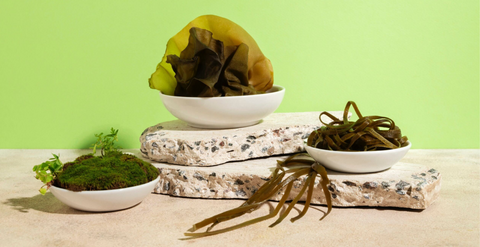
Kelp and Menopause. Unlocking the Natural Benefits for Hormonal Balance and Energy support.
Dive into the science behind kelp and its powerful role in menopause relief.
Read More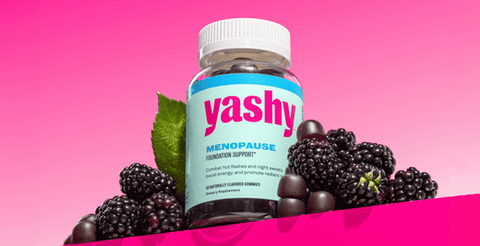
The Best Vitamins and Nutrients for Menopause: How Yashy Gummies Support Your Journey
Discover how Yashy ’s clinically-proven ingredients bring balance, energy, and vitality.
Read MoreYour Yashy Friends
Join Our Community of Yashy support
Everything’s better together. Join our community of like-minded women so we can share experiences, help each other and grow in confidence.
- Choosing a selection results in a full page refresh.
- Opens in a new window.